We Cut Carbon, Not Corners
AB EcoPark uses anaerobic digestion and waste-to-energy power production to prevent hundreds of thousands of tons of methane and CO₂ from entering the atmosphere every year.
Affordable Clean Energy
Powering a Greener Tomorrow
250 Universal Drive, North Haven, CT
AB EcoPark in North Haven, CT will be the world's first carbon-negative, zero-emissions Municipal Recycling Facility powered by emission-free battery technology. It turns everyday trash into clean electricity, sorted recycled materials, renewable natural gas, and purified distilled water. We will recycle and reuse nearly 100% of the local waste stream headed for the dump.
AB EcoPark will reduce electric supply costs as much as 24% while removing at least 100,000 tons of carbon from the air every year.
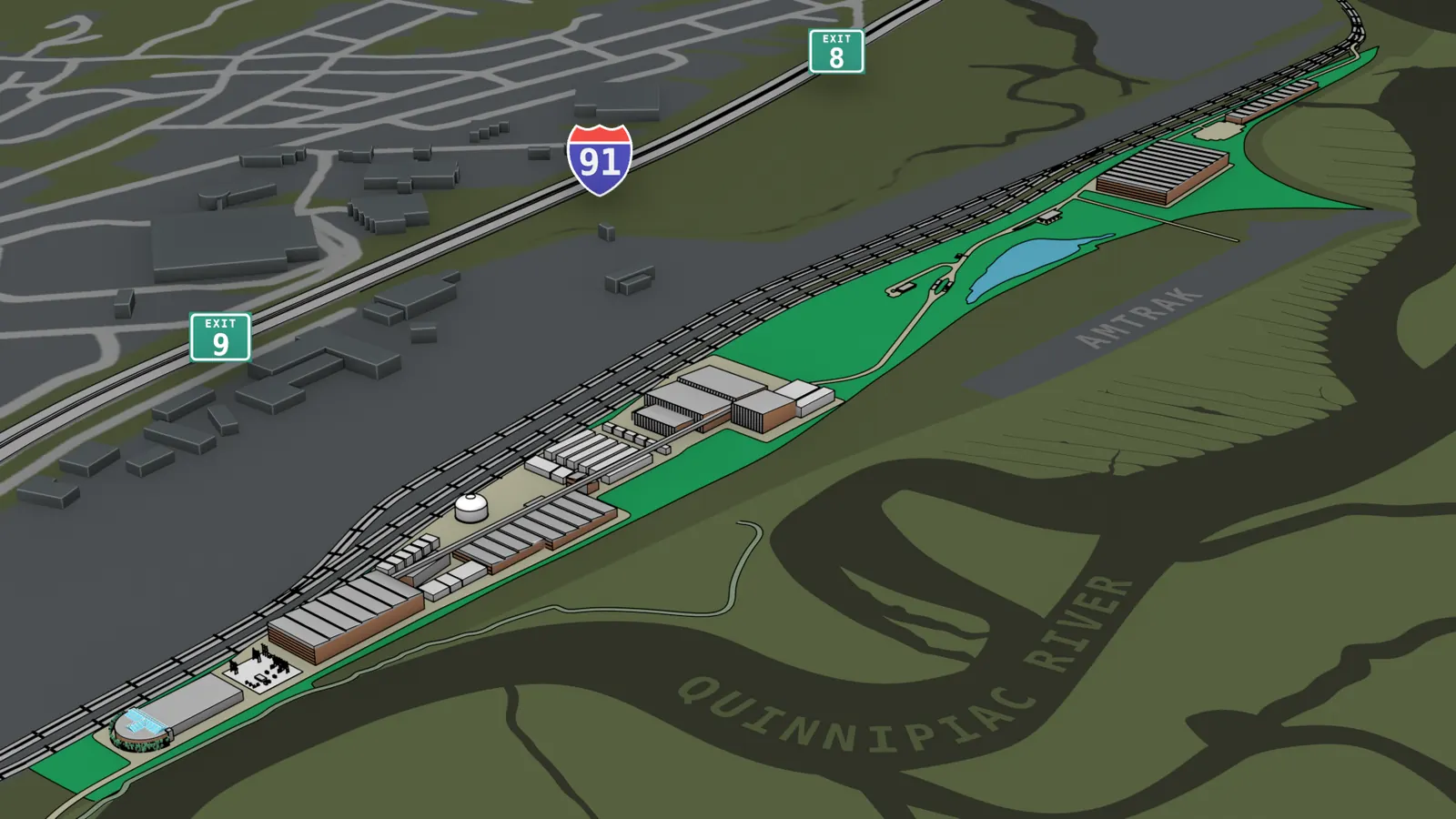
AB EcoPark uses anaerobic digestion and waste-to-energy power production to prevent hundreds of thousands of tons of methane and CO₂ from entering the atmosphere every year.
Our batteries power the plant and send extra power to the grid. AB EcoPark would help lower electric supply costs as much as 24% and reduce reliance on fossil fuels.
Every day, AB EcoPark captures and purifies up to 30,000 gallons of distilled water from waste. The hydroponic facility and greenhouse grow fresh and local pesticide-free crops for our local community.
By cutting waste removal fees by $30 per ton, AB EcoPark helps Connecticut taxpayers save nearly $30 million every year while also reducing electric supply costs as much as 24%.
Same Bins, Same Trucks, Same Routes
AB EcoPark partners with local waste services to boost recycling rates without altering your current trash and recycling setup. No new bags or bins are needed. Recycling locally will reduce interstate traffic and will not impact local traffic because trucking routes already exist for nearby recycling facilities.
Air Tight Vault With No Foul Odors
AB EcoPark is designed to operate quietly, without odors since all operational components are fully indoors. Incoming trash is sealed in an air-tight vault and dried and decontaminated. Excess moisture from waste is purified into 10 million gallons of distilled water per year.
Separate Recyclables (Plastics, Glass, Metals)
AB EcoPark uses mechanical sorting equipment that separates compostable organics from recyclables such as paper, plastics, and glass. The plastics are sorted by type for feedstock in the carbon-negative electricity generation, and glass and metals are sorted and sold to nearby recycling facilities.
Biologically Process Compost Materials
Anaerobic digestion is a process where bacteria break down organic waste like food scraps, manure, and grease without oxygen inside a sealed tank. As microbes digest the material, they produce biogas (mostly methane) that can be used to generate renewable energy, plus a leftover nutrient-rich material called digestate.
Dissolve High Carbon Waste (Plastics, Rubbers)
The W2E process is a closed-system, catalytic thermochemical reaction that converts waste (like plastic and tires) into pure products, including green hydrogen and electricity. It features zero emissions, combustion, or toxins, achieving a negative carbon footprint.
Convert CO₂ to Baking Soda (Water Treatment)
Baking soda is typically produced via the Solvay process, which relies on limestone and high heat, generating significant CO₂ emissions. Carbon capture could provide a lower-emission production process, which can be used by local wastewater treatment facilities to raise pH and reduce acidity, helping limit toxicity to aquatic life.
The W2E process is a closed-system, catalytic thermochemical reaction that converts waste (like plastic and tires) into pure products, including green hydrogen and electricity. It features zero emissions, combustion, or toxins, achieving a negative carbon footprint. Learn more at w2etechnology.com.
Money. Running a recycling facility demands enormous power and operating expenses. AB EcoPark generates its own energy, making this ambitious facility possible. We turn waste into value by producing electricity, distilled water, renewable natural gas, recovered metals and glass, even captured CO₂. Creating a facility that is not just sustainable, but self-sufficient and profitable.
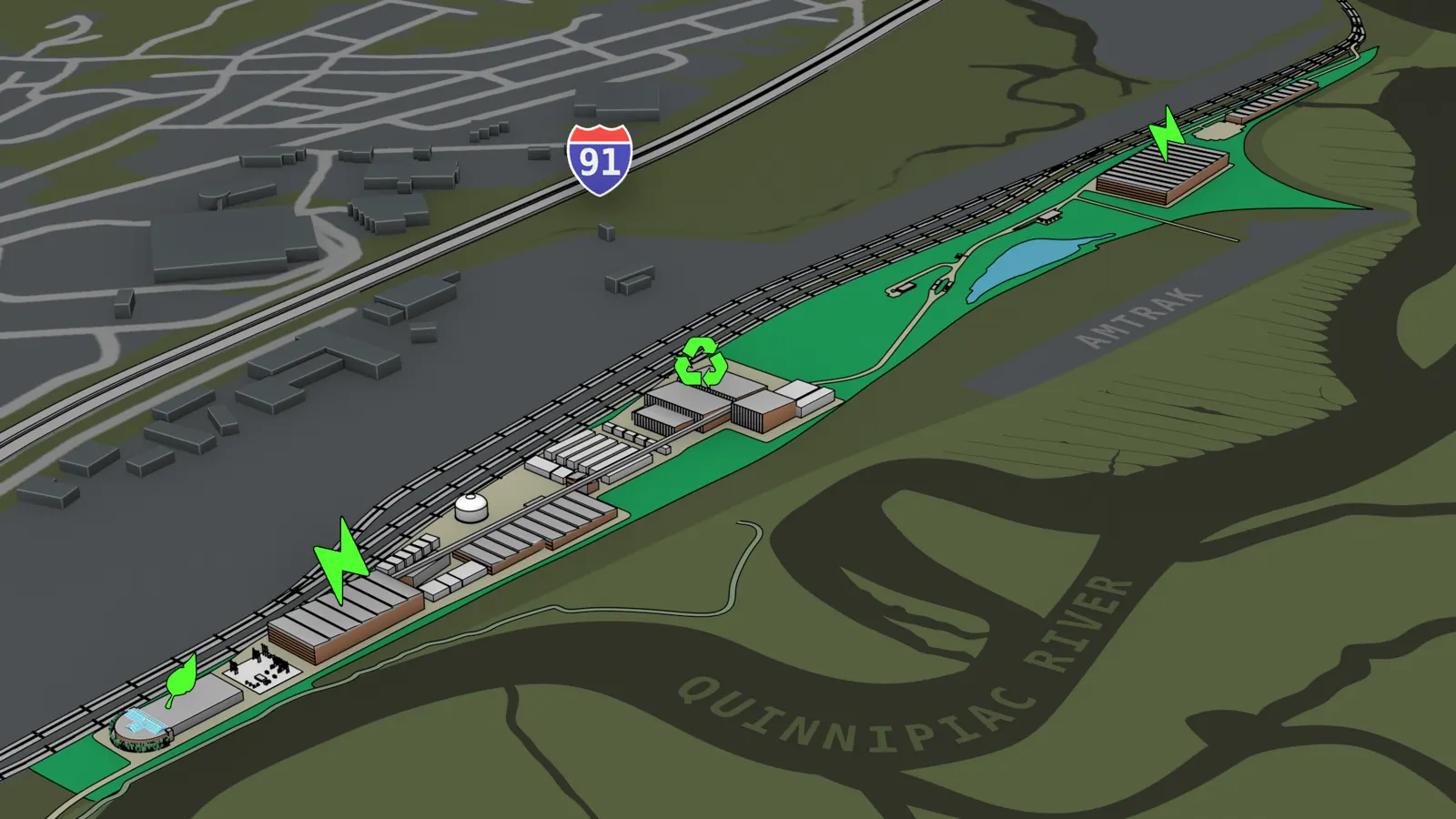
The technology we use isn't new, but AB EcoPark is the first to put it all together in one place:
Each component helps the others out, generating incredible results.
AB EcoPark is designed to operate quietly, without emissions, and with a carbon-negative footprint. All operational components are fully indoors.
Earlier concepts included a power plant that would have incinerated organic waste. The 2025 proposal eliminates incineration entirely. As a result, the project produces no air pollutants, keeps operational noise contained within the facility, and contributes to cleaner, quieter local air.
AB EcoPark will eliminate 100+ semi-trucks transporting waste out of state and will have minimal impact on local traffic because the majority of trucks already operate within a five-mile radius of this facility.
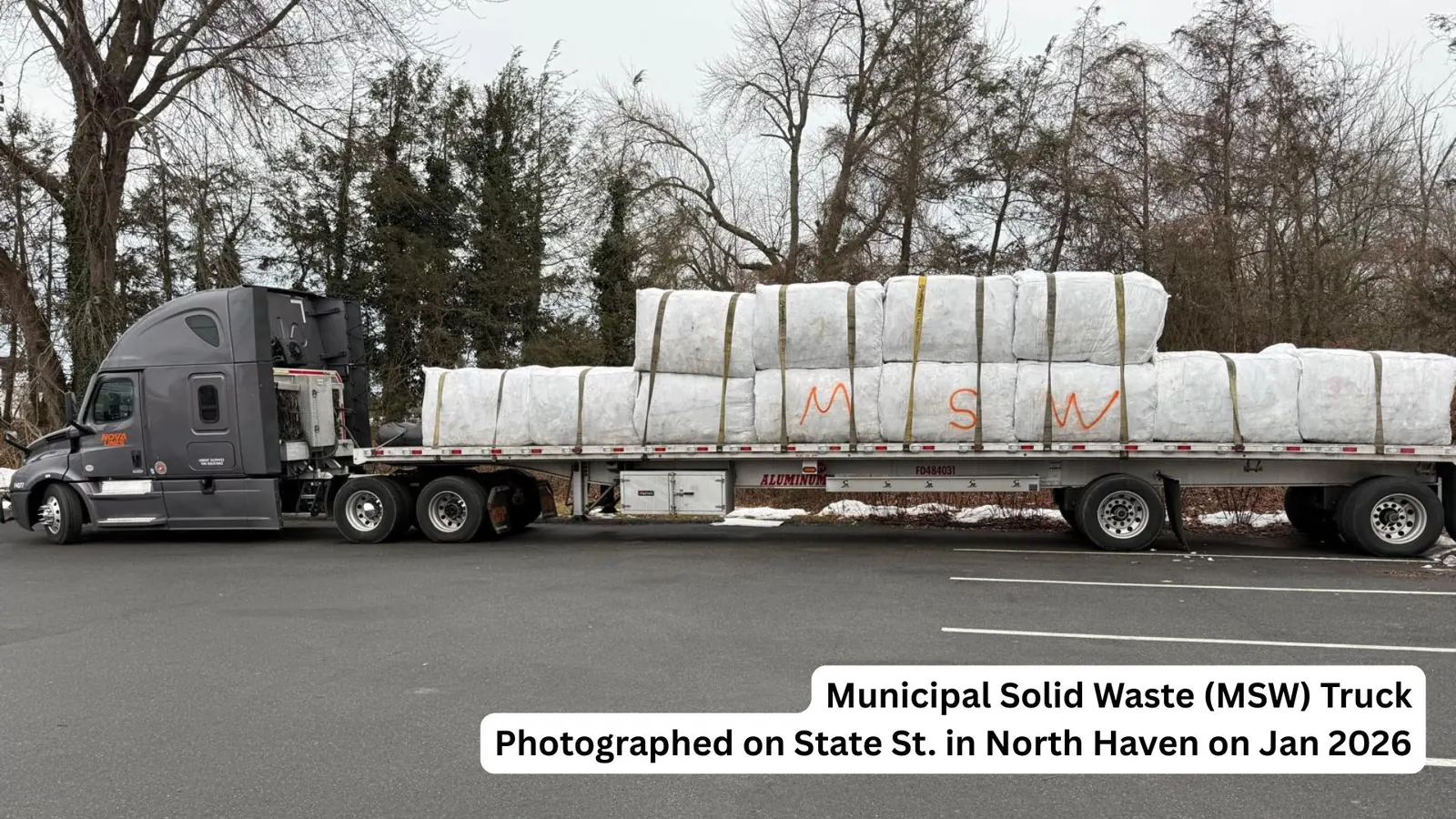
The adjacent New Haven Regional Transfer Station will continue to handle single stream recycling, reducing the need for additional truck routes.
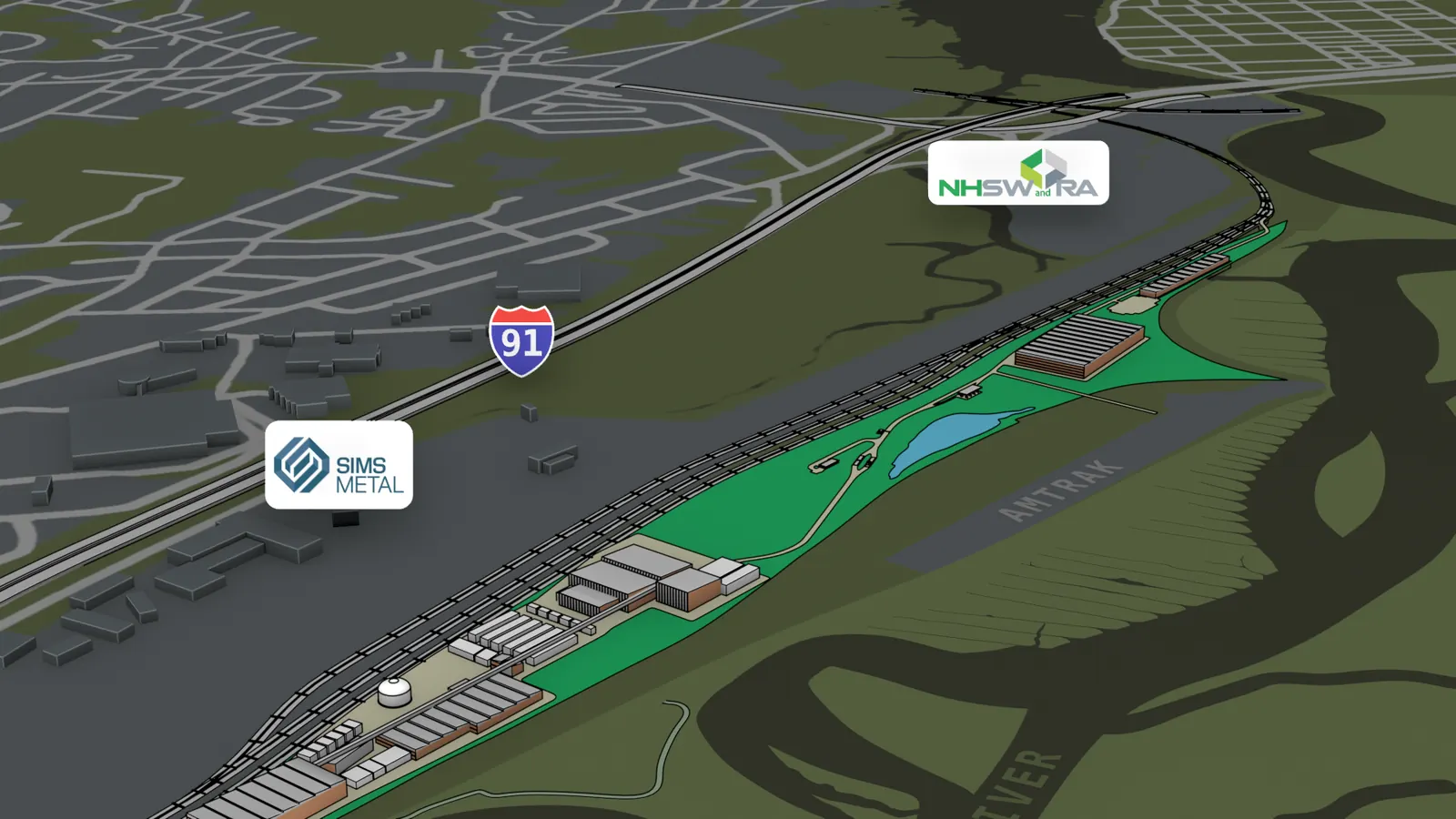
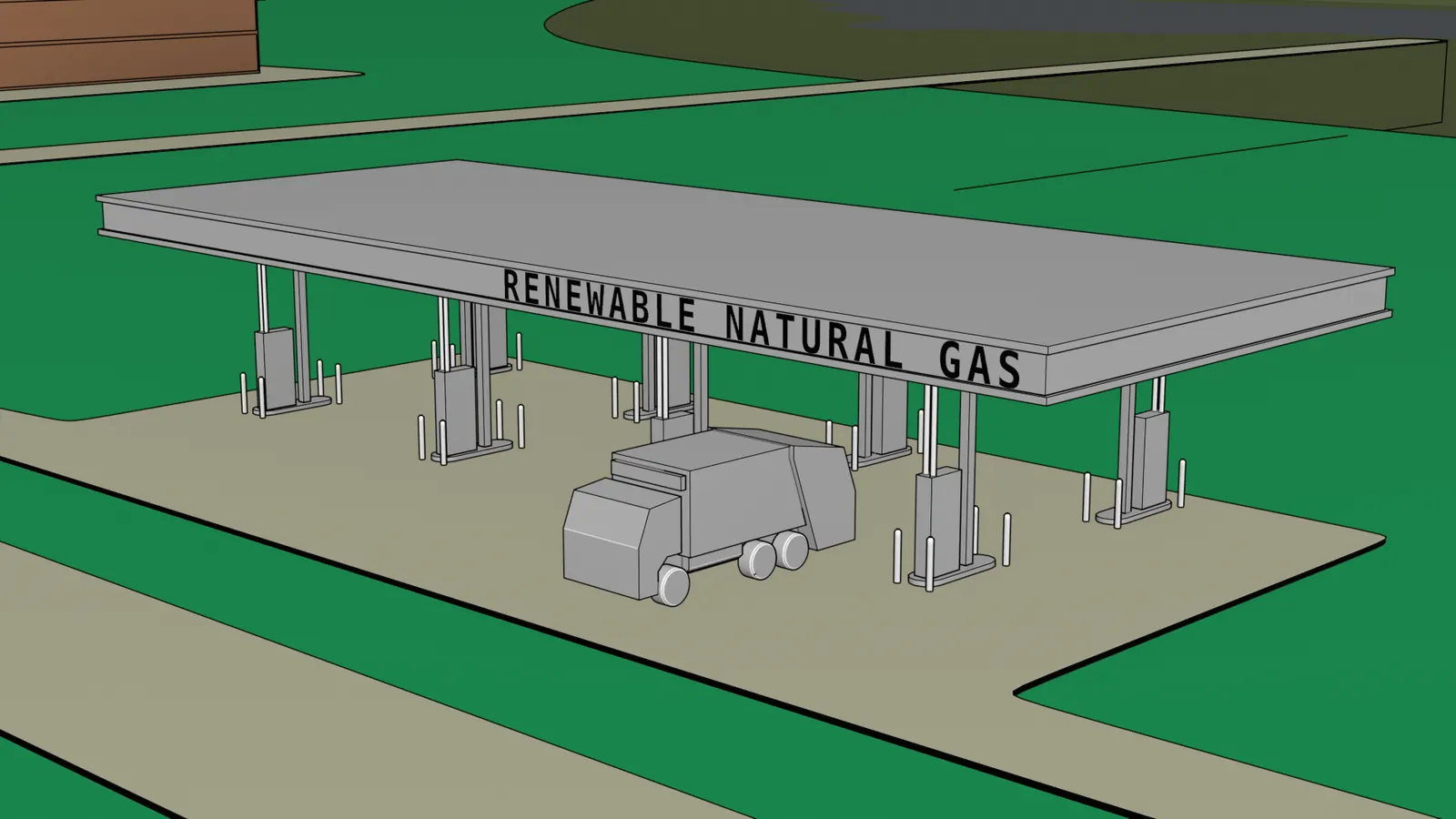
Additionally, the site will feature a fueling station for converting diesel fleets to renewable natural gas from organic waste, reducing emissions and fossil fuel use.
The project delivers a net environmental benefit by remediating land that has been under a State cleanup order since 1988 due to significant PCB contamination.
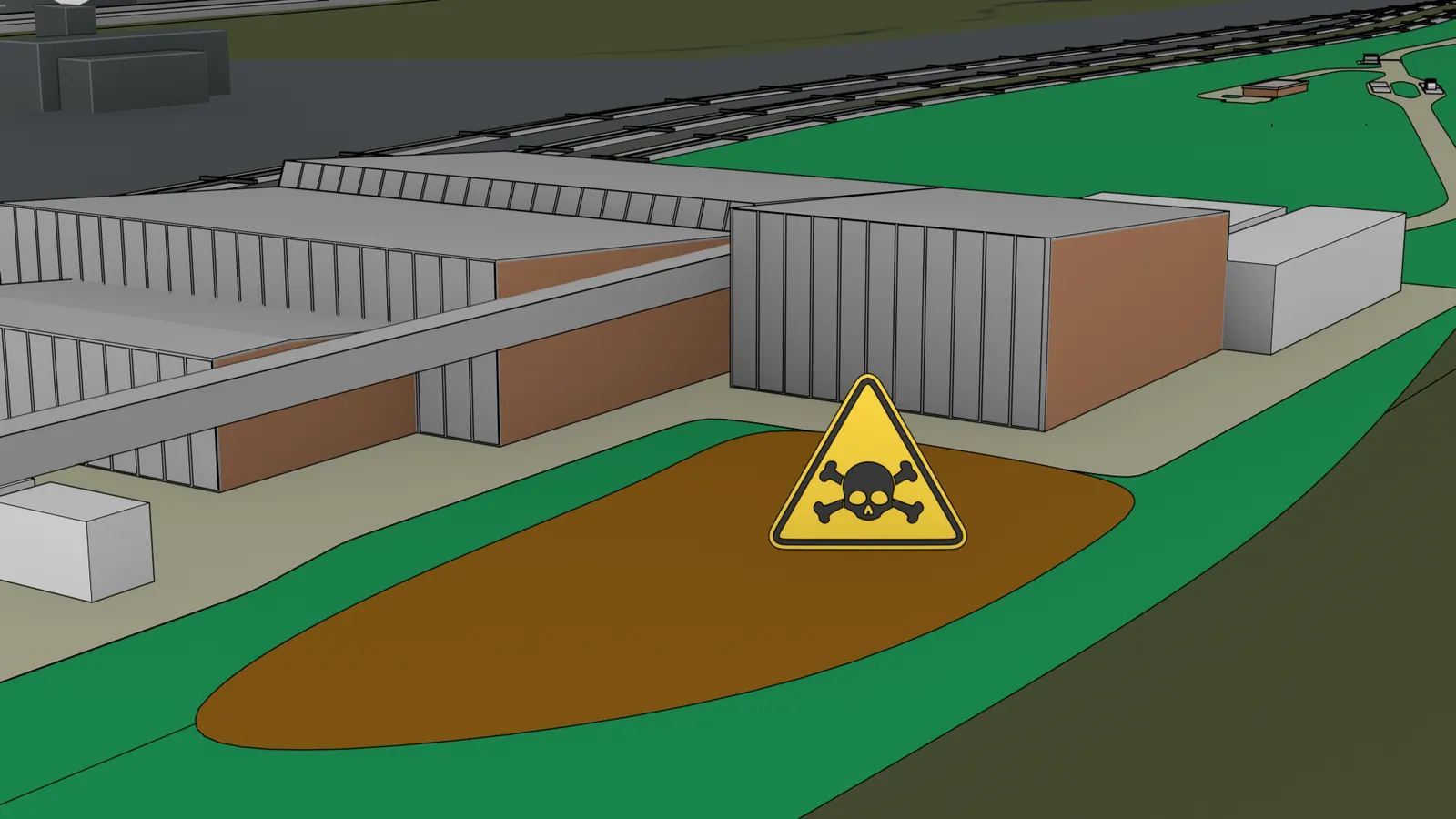
The site consists primarily of a former landfill and rail yard, with buried waste throughout the property, including within existing wetlands.
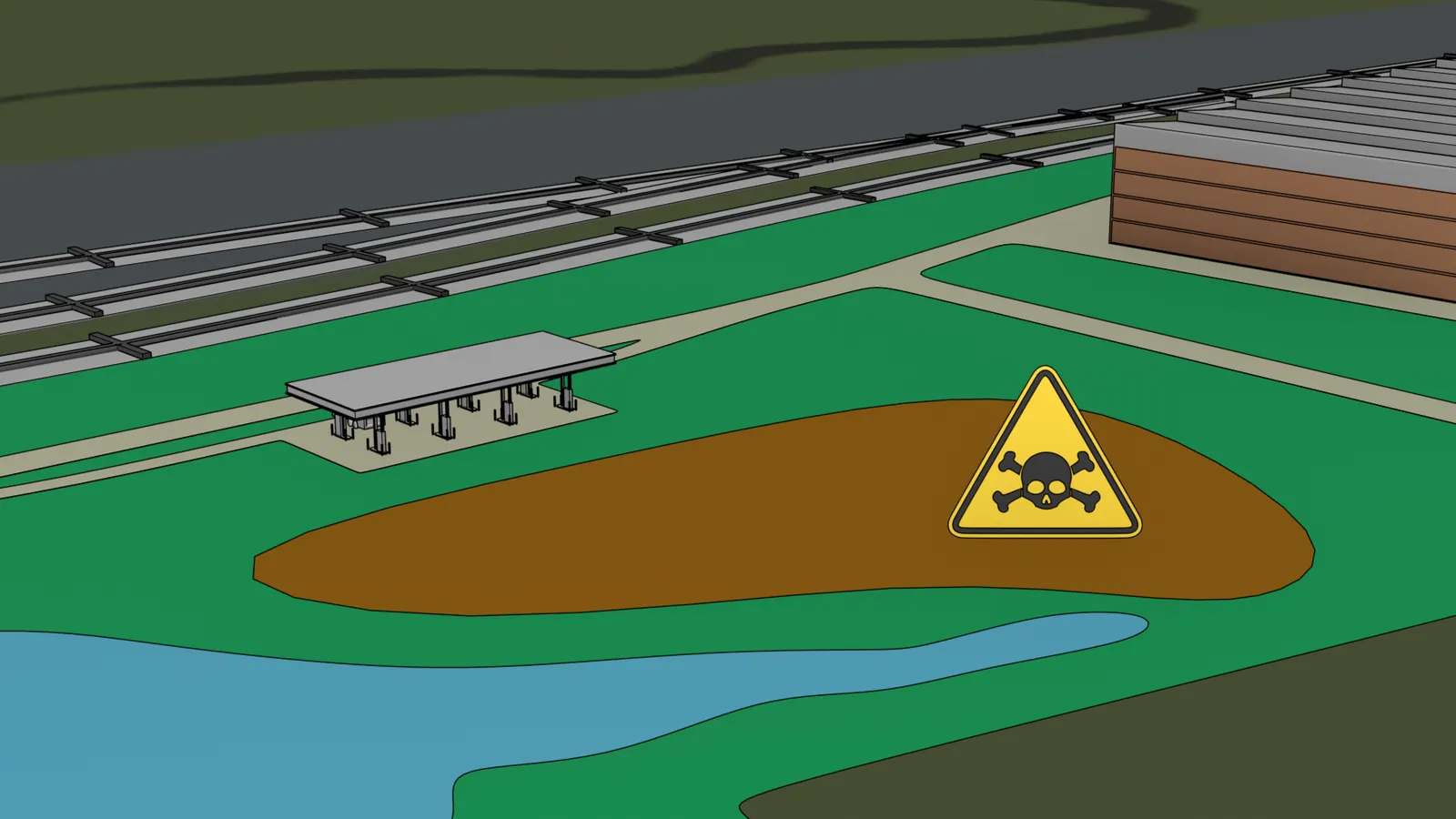
Construction includes the removal, encapsulation, and capping of toxic materials to stabilize the landfill and prevent further contamination. Impacted wetlands will be cleaned, restored, and expanded.
With proper maintenance and ongoing upkeep, the facility is designed to operate for 50+ years.
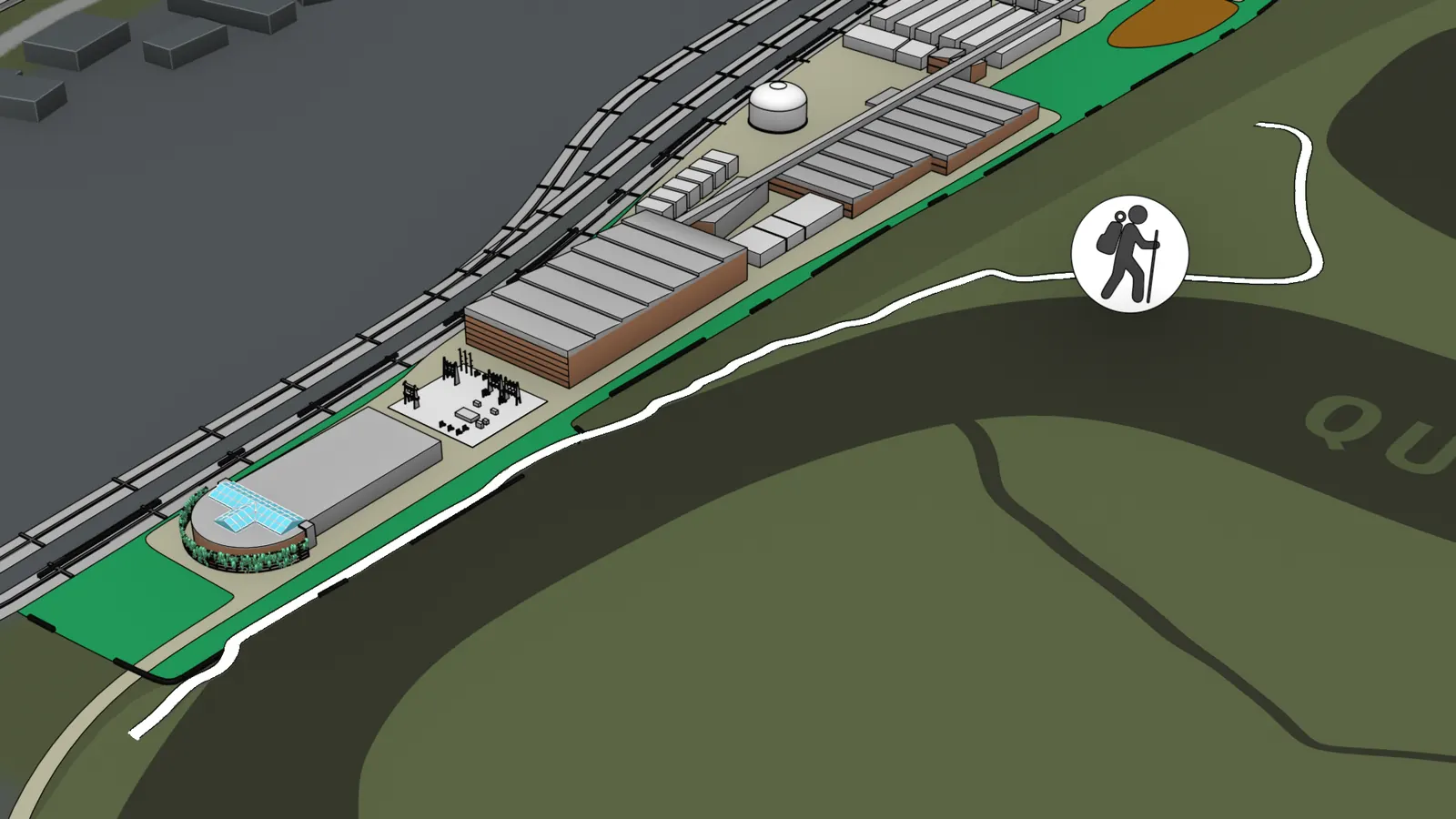
The 0.2-mile section of the Tidal Marsh Trail owned by AB EcoPark will be remediated and reopened. AB EcoPark plans to add a welcome center space for people to learn about the facility and view the Quinnipiac River.
AB EcoPark partners with local waste services to boost Connecticut recycling rates from 30% to nearly 100%, without altering your current trash and recycling setup. No new bags or bins are needed. The only change residents will notice is a positive impact on their wallets.
We would love to help answer any additional questions you may have.
Contact us: info@abecopark.com
Loading signatures
AB EcoPark is a homegrown initiative for Connecticut residents. Our mission is clear: generate clean energy, expand local recycling capacity, and create long‑term jobs - all while lowering energy and recycling costs for Connecticut households. Every signature adds a local voice, showing that our communities want to make Connecticut more affordable, sustainable, and a leader in clean energy production.